
01 / 09
Traditional and radio‑based burglary alarms
Each building has different accesses, habits and sensitive points. We design wired or radio intrusion systems starting from the real spaces and usage modes, to make protection understandable, manageable and consistent with the needs of those living or working in the building.
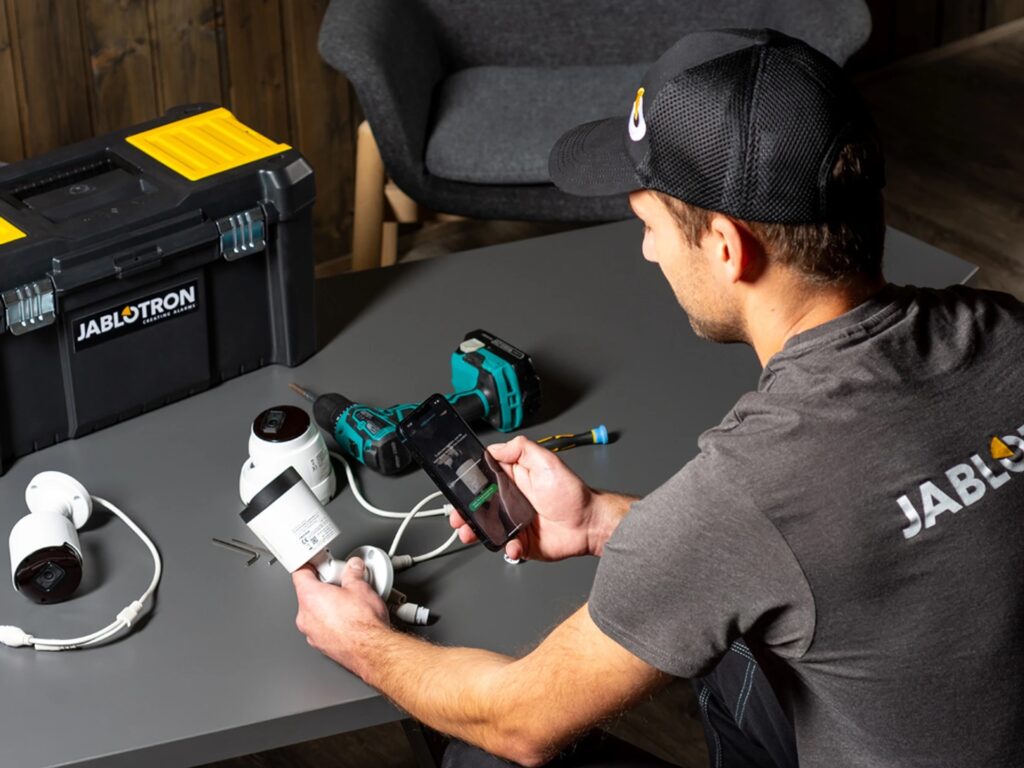
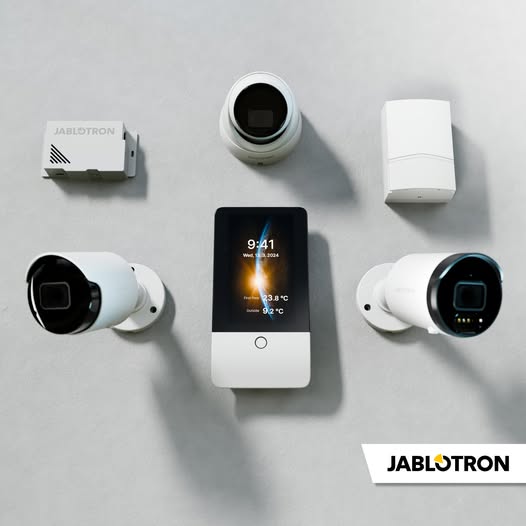
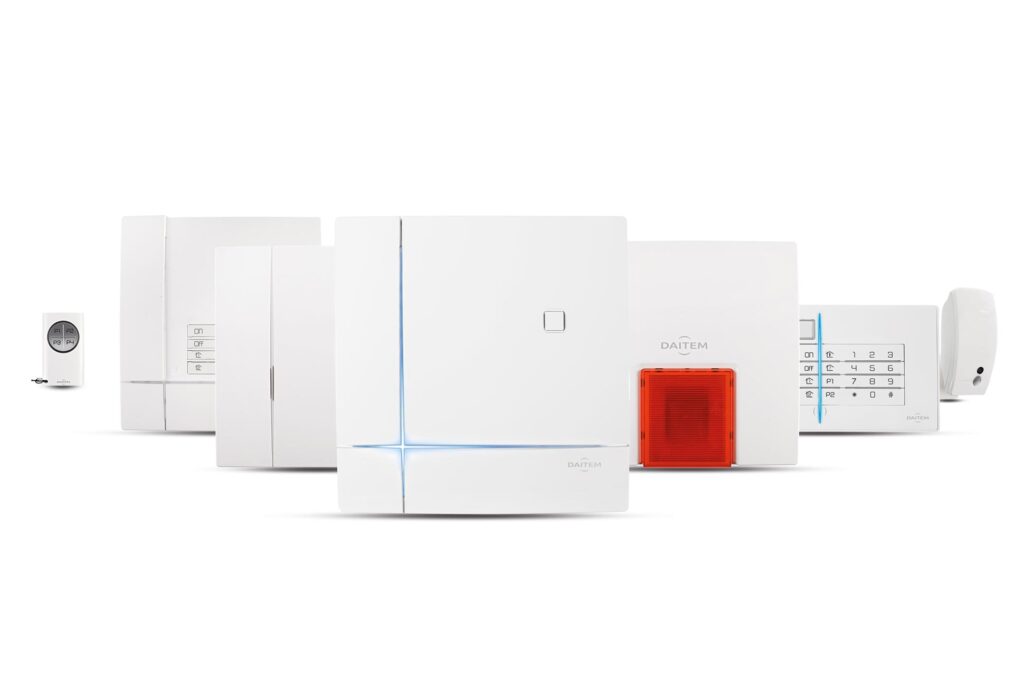
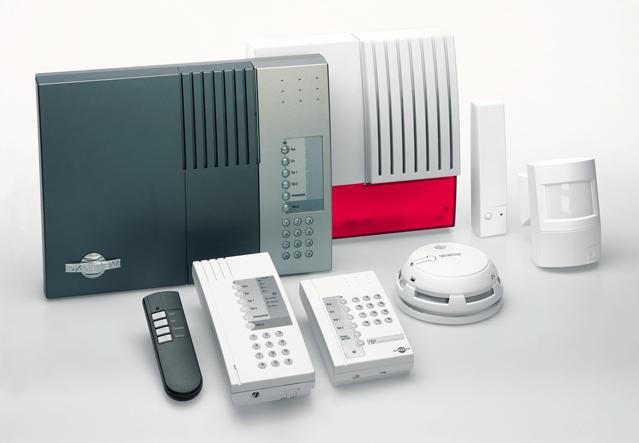
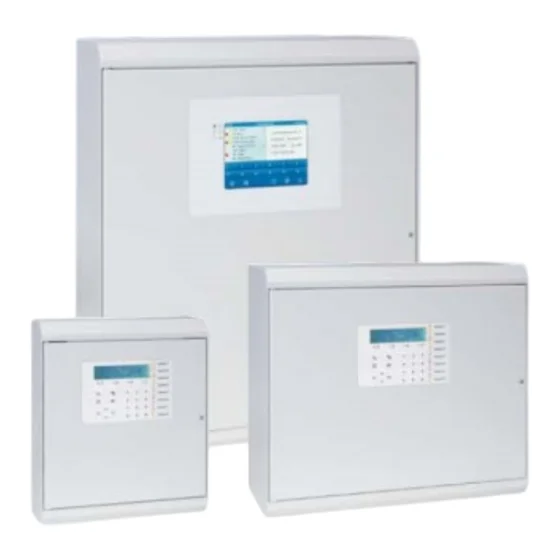
Protection built around real accesses.
An effective intrusion‑prevention system is born from the analysis of the building, not from a standard list of devices. Doors, windows, secondary passages, external areas and rooms with different functions require proportionate control levels. The daily presence of people also matters: the system must be able to be armed, partially armed and managed without complicating normal activities.
The choice between wired connections, radio components or a mixed configuration depends on the structure, existing installations and the possibility of intervening on finishes. Telecom Security coordinates sensors, control panel, commands and notifications in a unified project, prepared for possible integrations with video surveillance, access control or automations. The final configuration is defined after an on‑site survey, avoiding both uncovered zones and unnecessary equipment.
Analysis of vulnerable points
Evaluation of accesses, windows, internal routes, perimeter areas and usage habits before defining the system architecture.
Perimeter and internal detection
Selection and placement of sensors according to the environments, with differentiated logic to detect access attempts and movements in protected zones.
Control panel and command devices
Organization of areas, profiles and arming modes so that the system is clear for authorized users.
Notifications consistent with the project
Configuration of local or remote alerts provided by the system, agreeing on recipients and priorities without exposing sensitive details.
Integration with existing systems
Verification of available interfaces to coordinate, when technically appropriate, alarm, video, access and automations.
How we work
- 01
Site survey
We gather requirements, available floor plans and information on space usage, observing accesses and existing installations.
- 02
Design
We define zones, technologies, installation methods and management, distinguishing what is essential from what is optional.
- 03
Installation
We install and configure components and connections with attention to finishes and continuity of operations.
- 04
Testing and instruction
We verify the intended functions and explain to users how to insert, remove and read the alerts.
Frequently asked questions
Is a wired or radio system better?
It depends on the building and the possible intervention. Wiring is often indicated in new constructions or renovations; radio technology can reduce work in finished environments. In many cases a hybrid solution allows the use of existing provisions and reaches difficult areas. The choice should be made after checking the structure, distances and radio conditions.
Can an existing intrusion system be expanded?
Often it is possible, but you need to know the control panel, version, remaining capacity, interfaces and component status. A site survey helps distinguish what can be retained from what should be updated. Before proposing an expansion we also verify whether the new functions remain manageable in a simple way.
Can the system work with cameras or access control?
When the systems have compatible interfaces, some functions can be coordinated. The integration must be designed by defining events, responsibilities and behavior in case of failure, without relying on a single function for all protection. The actual possibilities depend on the devices present and the project goal.