
03 / 09
Video surveillance systems
A camera is useful only when framing, image quality and data management meet a specific purpose. We design video surveillance systems for homes and businesses, considering lighting, routes, accesses, network and data protection from the earliest choices.
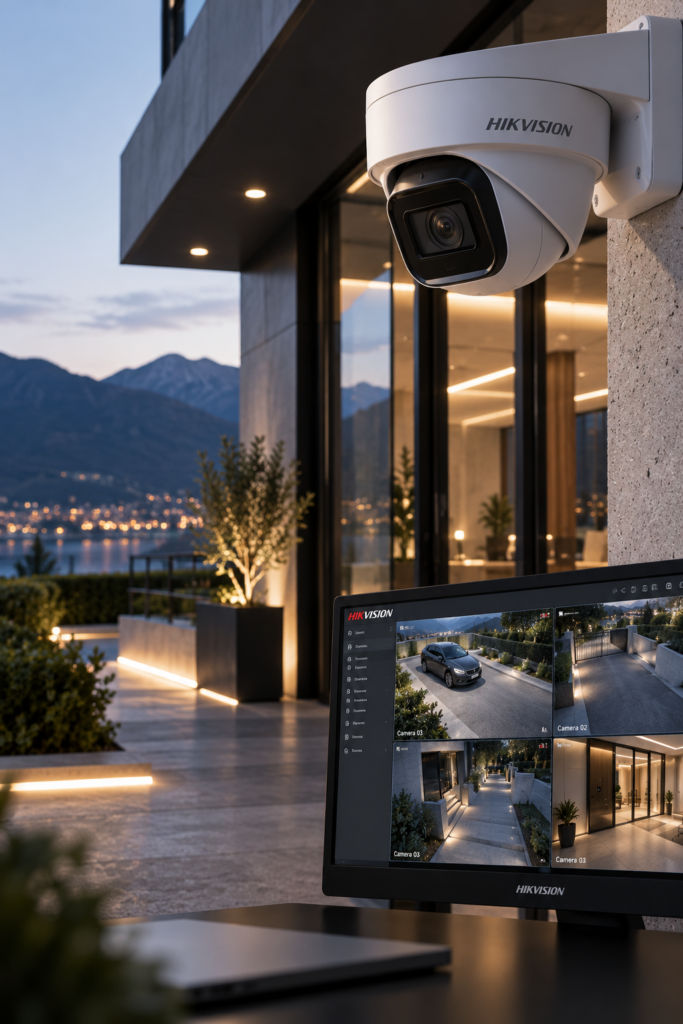



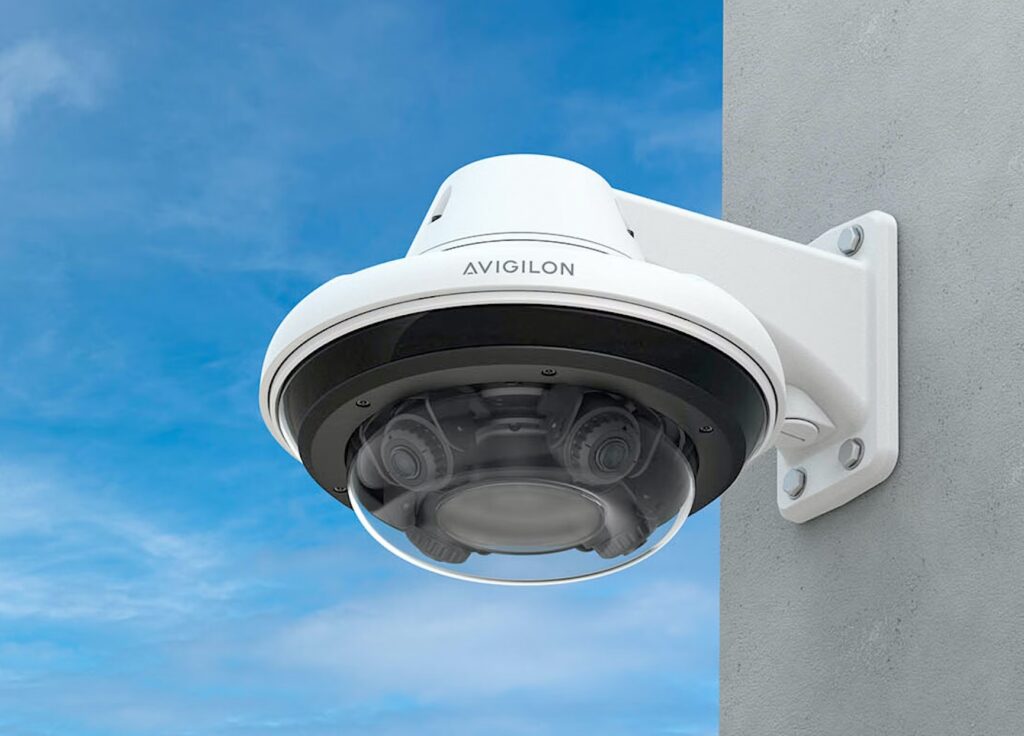
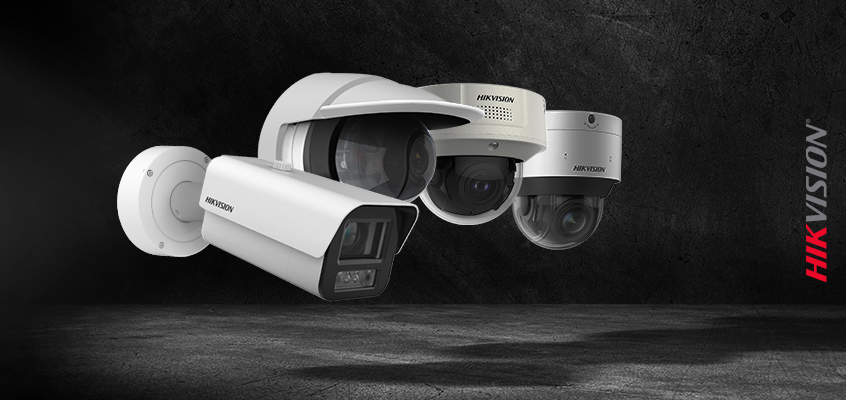
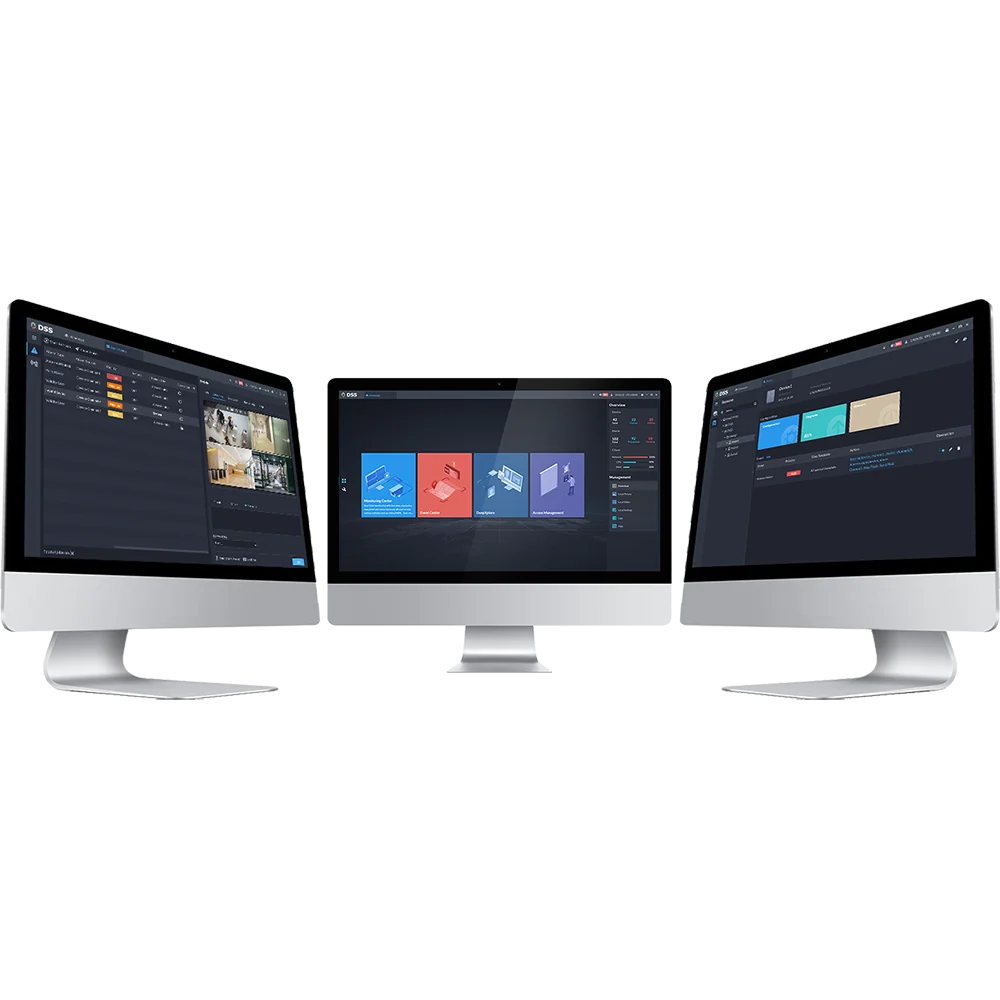
Useful images, collected with care.
Video surveillance is not about multiplying cameras. First, it is necessary to clarify what must be observed, under which conditions, and who may access the footage. Shooting angle, distance, back‑lighting, night illumination and network quality affect the result more than the advertised resolution. Recording, retention periods and access authorisations must also align with the intended purpose.
Telecom Security studies positions, optics, recording and consultation in relation to the building. For recordings in which people are identifiable, the system owner must consider the Swiss principles of legality, proportionality and transparency. The technical design can help limit the framing to the relevant areas and protect access to the images; the legal assessment remains tied to the concrete situation and the operator’s responsibility.
Framing study
Definition of the truly useful areas, distances and required details, avoiding recordings that are more extensive than necessary.
Cameras and optics
Choice of format, optics and performance in variable light based on the installation point and purpose.
Recording and network
Sizing of recording and connections, with organized access and capacity consistent with the number and quality of streams.
Authorized consultation
Configuration of users and the intended viewing modes, limiting access to designated personnel.
Targeted integrations
Connection with alarm or access control when it provides a concrete benefit and the interfaces are compatible.
How we work
- 01
Purpose definition
We clarify areas, events and expected results before discussing camera models or quantities.
- 02
Framing tests
We evaluate positions, light, network and supports, taking into account areas that must not be recorded.
- 03
Protected installation
We place devices and connections, configure recording, users and agreed parameters.
- 04
Verification and instruction
We check daytime images and, when relevant, nighttime ones, illustrating consultation and operational responsibilities.
Frequently asked questions
Can a private camera record the street or the neighboring property?
In general, a private camera’s field of view must be limited to its own property; public areas and adjacent properties should not be recorded. Specific situations may require a particular assessment. The technical project can limit angle and visible areas, but it does not replace a legal verification of the concrete case.
How long can recordings be kept?
The retention period must be proportionate to the purpose and limited to the time needed. The IFPDT indicates, for many private situations, short periods and calls for justification of any different needs. The controller must define and apply a rule consistent with its context, and properly inform the persons concerned.
Is it possible to view the cameras remotely?
Technically yes, if the network and devices allow it. Remote access must be configured with individual credentials, updates and adequate protections, limited to authorized users. Before activation we also check connection quality and distinguish occasional viewing from operational management of recordings.