
05 / 09
Gas detection
Dangerous gases can be invisible and require detection chosen based on the actual risk. We design systems for professional and industrial environments defining substances, measurement points, thresholds and alerts based on the process, ventilation and available technical specifications.
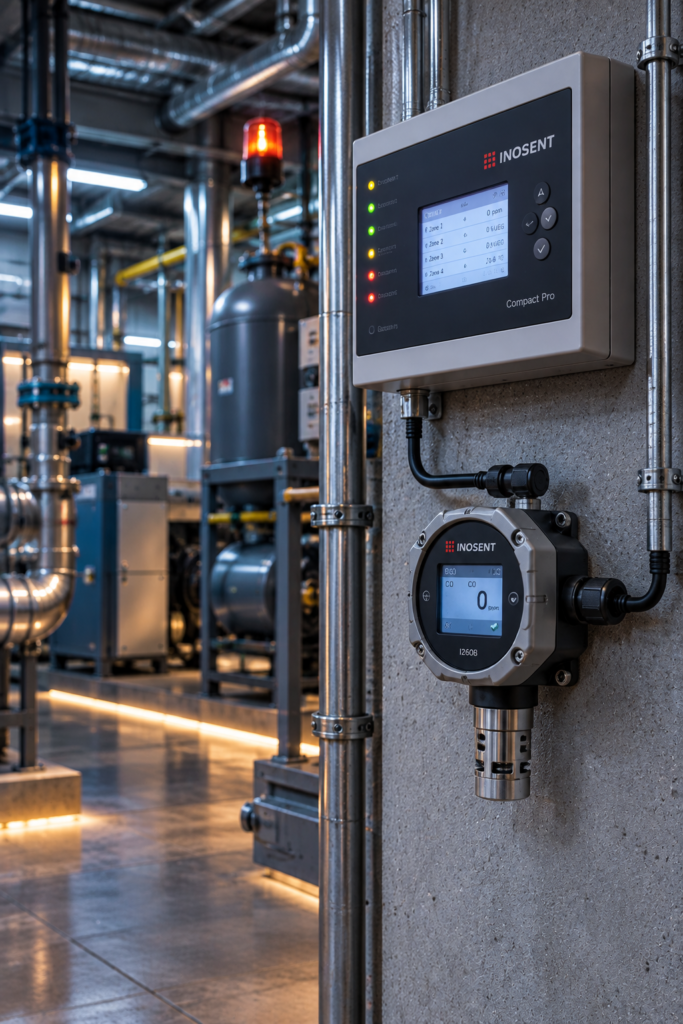
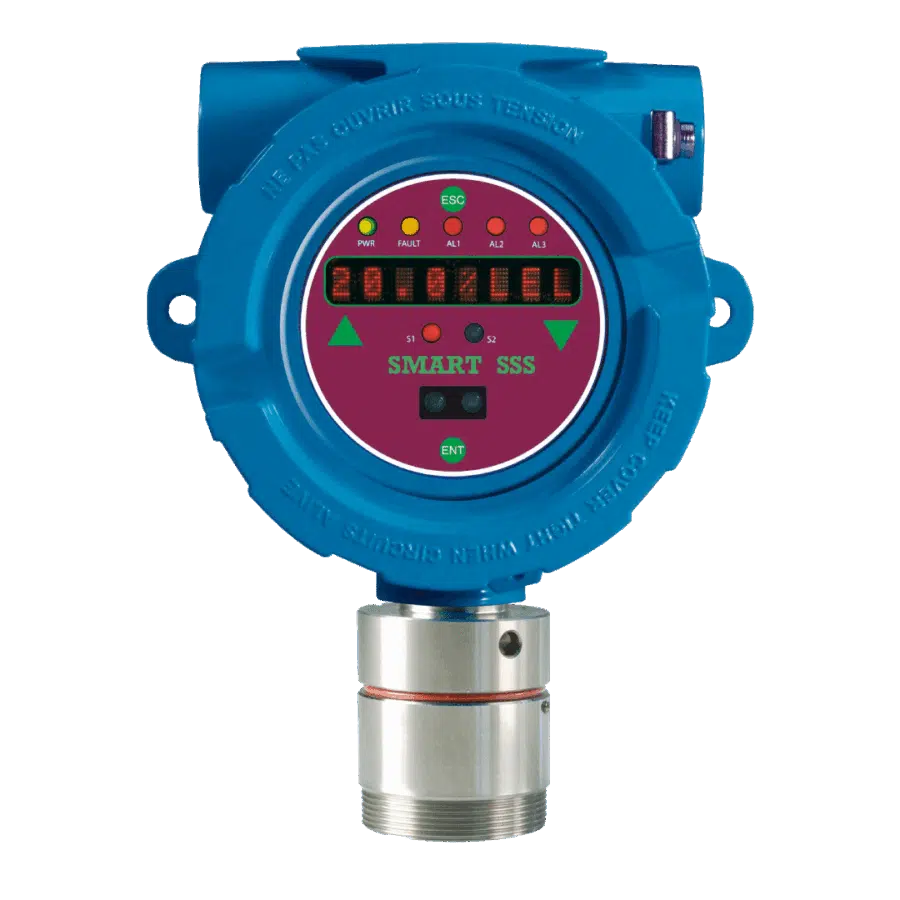
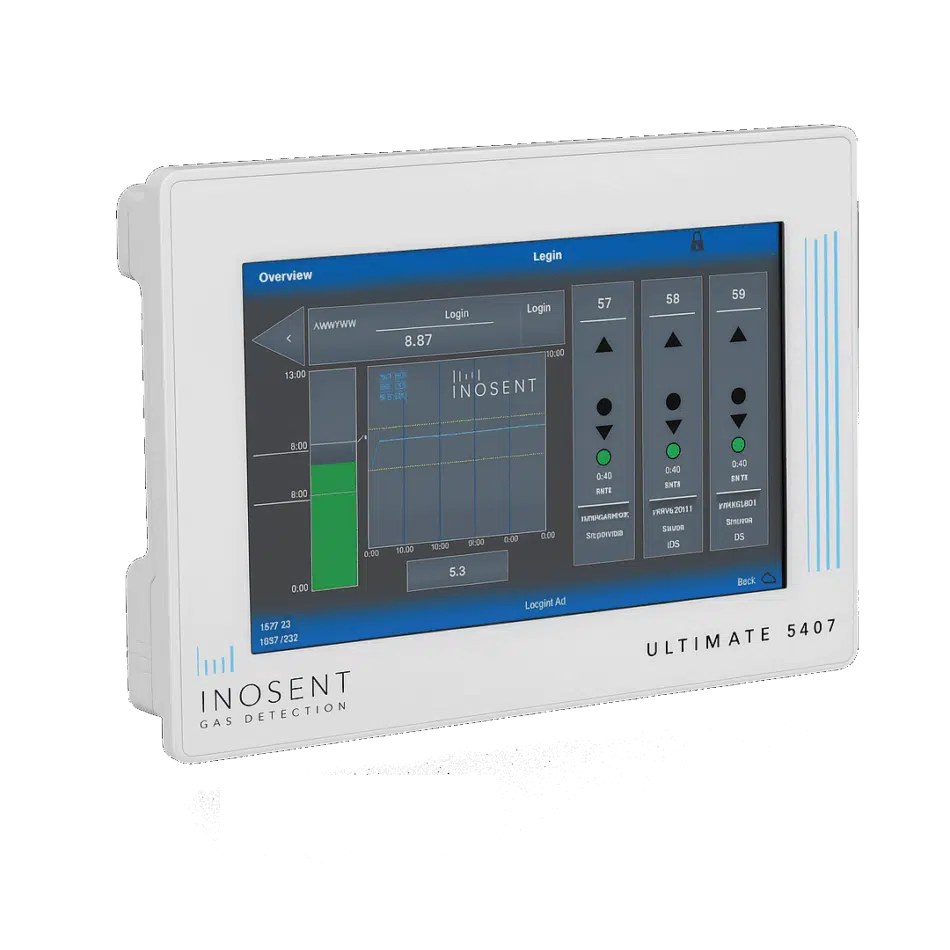
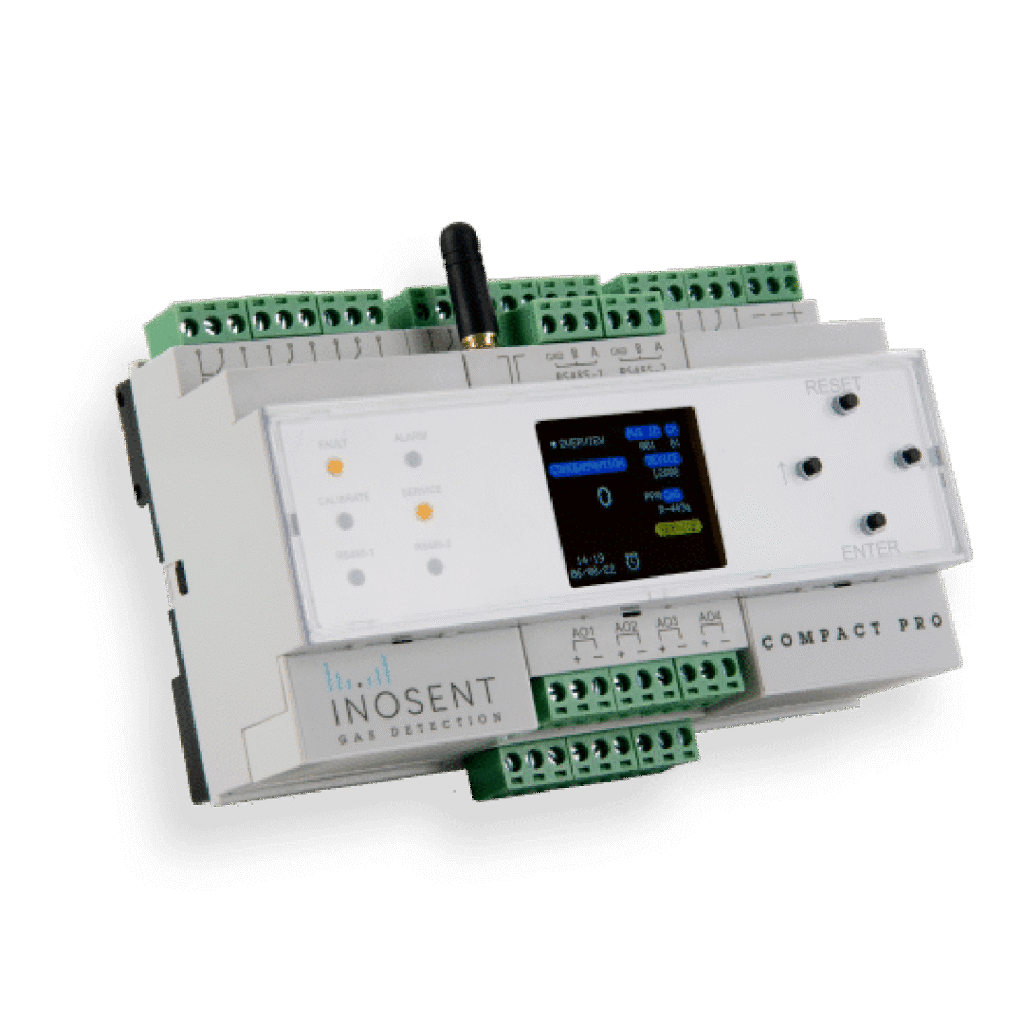
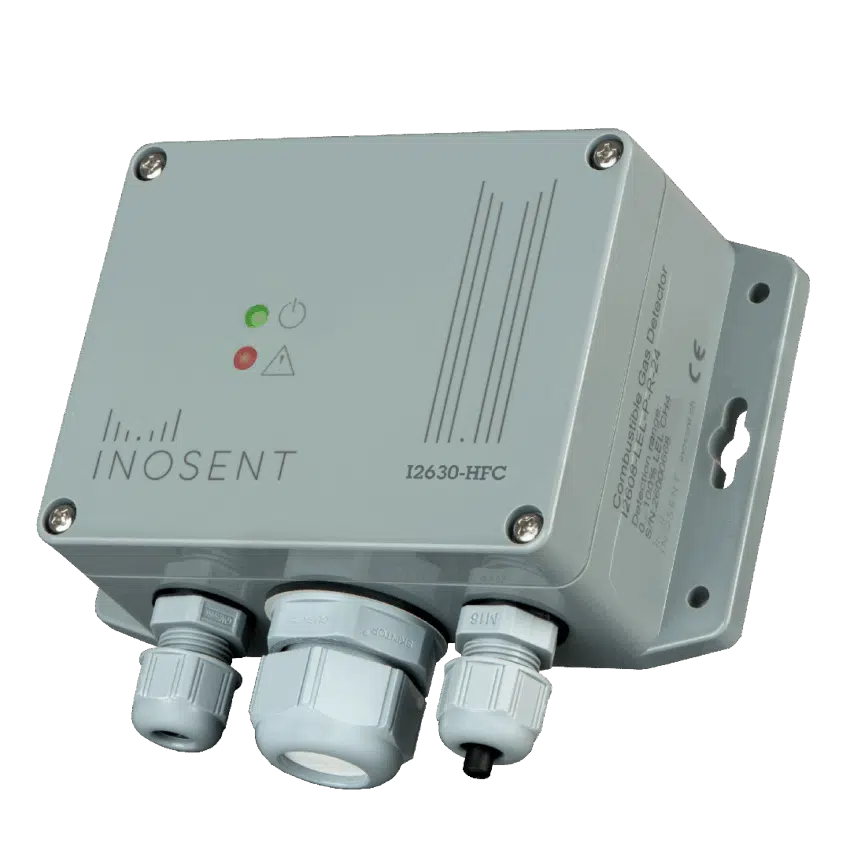
Measure what the environment does not make evident.
There is no universal sensor for every gas. Substance, expected concentration, density, temperature, ventilation and possible sources determine the technology and placement of detectors. Before designing the system, a risk assessment and knowledge of materials, processes and site conditions are required. Detection is a technical measure that must fit into broader procedures.
Telecom Security translates the available requirements into a solution composed of sensors, a control unit, alerts and the required interfaces. Thresholds and actions are not defined abstractly: they must refer to the substance and the safety project specifications. Accessibility for checks, replacement of sensitive elements and periodic controls is considered from installation onward, because sensor performance can change over time.
Risk definition
Collection of substances and operational conditions indicated by the client or responsible specialists.
Sensor selection
Identification of the technology suitable for the gas and the required measurement range, without generalising across different substances.
Technical placement
Evaluation of sources, density, air movements, obstacles and accessibility to establish measurement points.
Control unit and notifications
Organization of zones, thresholds and alerts defined by the project, with clear indications for the responsible personnel.
Safety interfaces
Provision of the required technical commands, to be coordinated with ventilation or other systems according to defined responsibilities.
How we work
- 01
Basic data
We collect risk assessment, substances, floor plans and information on normal and abnormal conditions.
- 02
Measurement project
We define type, range, sensor placement and logic based on the available requirements.
- 03
Installation
We install detectors, central unit and alerts, respecting accessibility and declared environmental conditions.
- 04
Testing and management
We verify the expected functions and provide the necessary information for future checks and replacements.
Frequently asked questions
Can a single detector recognise all gases?
No. Sensors are selective or optimised for specific substances and measurement ranges. Even gases with similar effects may require different detection principles. Before choosing, the risk and environmental conditions must be identified; without this information it is not possible to responsibly define the device.
Where should the sensors be installed?
The location depends on gas density, likely source, ventilation, geometry and occupied zones. The simplified high‑or‑low rule is insufficient in many environments. The installation point must also allow inspections and replacements without unnecessarily exposing personnel.
Do detectors require periodic checks?
Sensors can age, become contaminated or change response. Inspection frequency and method depend on technology, environment, manufacturer indications and project requirements. Therefore a plan consistent with the actually installed components must be defined, without assuming identical intervals for every application.